


In recent times, the aviation trade has witnessed a remarkable transformation, notably in the realm of private jet travel. As soon as thought-about the epitome of luxurious and exclusivity, private flying is now changing into increasingly accessible through the innovative idea of shared private jet flights. This text delves into the dynamics of shared private jet flights, inspecting their enchantment, operational models, and the implications for the future of air travel.
Table Of Content

The Concept of Shared Private Jet Flights
Shared private jet flights, also called jet sharing or fractional possession, allow a number of passengers to e book seats on a single flight, considerably reducing the associated fee related to private aviation. This model caters to a various clientele, from enterprise executives to leisure travelers, who search the comfort and comfort of private journey with out the hefty worth tag.
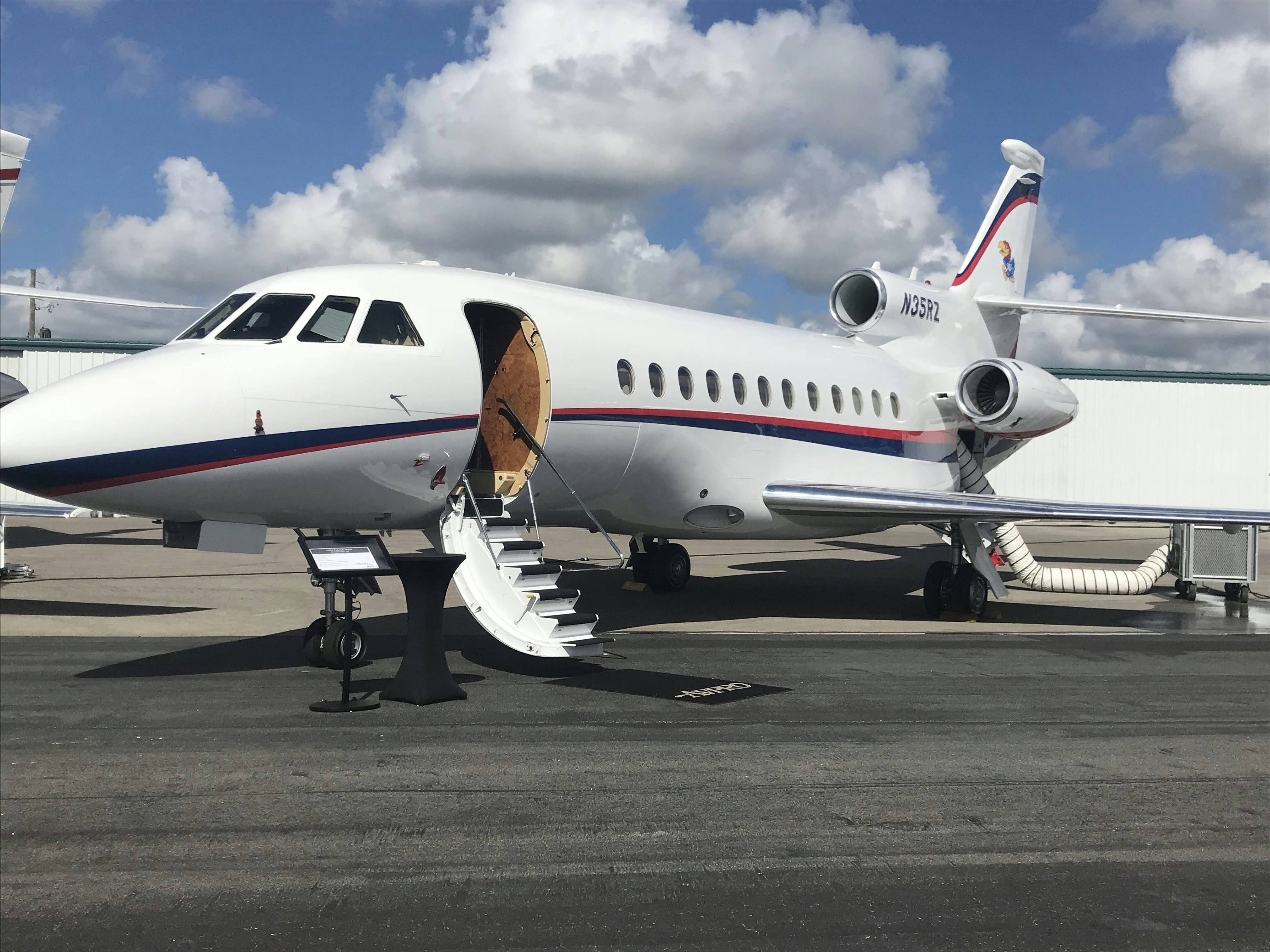
Traditionally, private jet travel has been synonymous with wealth and exclusivity, typically reserved for the elite few. However, the arrival of shared flights has democratized this mode of transport, enabling a broader demographic to experience the benefits of flying privately. Firms like JetSmarter, Blade, and Wheels Up have pioneered this trend, providing platforms that connect travelers with accessible seats on private jets.
The Attraction of Shared Private Jet Flights
The allure of shared private jet flights lies in a number of key factors. Firstly, the comfort of private journey cannot be overstated. Passengers benefit from the luxurious of avoiding lengthy airport lines, crowded terminals, and the trouble of commercial flights. Instead, they’ll arrive at a private terminal, board their aircraft, and take off inside minutes. This level of effectivity is especially appealing to business travelers who value time as a essential resource.
Furthermore, shared flights present a singular opportunity for networking. Passengers typically discover themselves seated next to like-minded individuals, fostering connections that may lead to potential enterprise collaborations or friendships. This side of shared flights has attracted a youthful demographic, significantly entrepreneurs and tech-savvy travelers who admire the social benefits of flying privately.
Operational Fashions of Shared Private Jet Flights
The operational models of shared private jet flights range significantly among suppliers. One common strategy is the membership mannequin, the place passengers pay an annual price for entry to a fleet of jets. This charge usually includes a sure number of flight hours, with extra costs for exceeding these hours. Membership packages usually supply a variety of advantages, akin to priority booking, entry to exclusive occasions, and discounted rates on extra flights.
One other model is the on-demand booking system, the place travelers can buy particular person seats on scheduled flights. This flexibility permits passengers to plan journeys without committing to a protracted-time period membership, making it a lovely choice for occasional travelers. Corporations like Blade have capitalized on this model, providing flights to common locations, such as the Hamptons or Aspen, during peak seasons.
The Environmental Impact
As the demand for private jet travel will increase, so too does the scrutiny surrounding its environmental impact. The aviation business is beneath strain to adopt more sustainable practices, and shared private jet flights are not any exception. By maximizing the variety of passengers on a single flight, shared flights can assist scale back the carbon footprint related to private aviation.
Moreover, many firms are exploring using sustainable aviation gasoline (SAF) and implementing carbon offset programs to mitigate their environmental impact. This dedication to sustainability is becoming a vital factor for travelers who are increasingly concerned concerning the ecological implications of their travel choices.
Challenges and Considerations
Regardless of the rising recognition of shared private jet flights, a number of challenges stay. One vital hurdle is the perception of shared travel among affluent people. For many, the thought of sharing a jet with strangers could be unappealing, because it contrasts with the normal notion of exclusivity that private aviation embodies. To overcome this barrier, companies should emphasize the advantages of shared flights, corresponding to value savings, convenience, and networking opportunities.
Additionally, regulatory hurdles pose challenges to the expansion of shared private jet services. The aviation trade is closely regulated, and navigating the complexities of compliance may be daunting for brand spanking new entrants. If you have any sort of concerns pertaining to where and exactly how to make use of private jet card review, you can call us at our web-page. Corporations must work intently with regulatory our bodies to make sure that their operations meet safety and operational standards.
The future of Shared Private Jet Flights
As the marketplace for shared private jet flights continues to grow, several trends are emerging that can shape its future. One notable pattern is the combination of technology into the booking and operational processes. Cell apps and on-line platforms are streamlining the booking expertise, permitting travelers to easily search for flights, compare costs, and make reservations with just some clicks.
Moreover, the rise of electric and hybrid aircraft is about to revolutionize the private aviation sector. These revolutionary applied sciences promise to reinforce the sustainability of air travel whereas lowering operational prices. As manufacturers develop extra efficient aircraft, shared private jet services could turn out to be even more appealing to environmentally acutely aware travelers.
Conclusion
Shared private jet flights represent a significant shift within the panorama of air travel, blending luxury with accessibility. As more travelers embrace this mannequin, the aviation industry must adapt to satisfy the evolving calls for of its clientele. By addressing challenges associated to notion, regulation, and sustainability, the future of shared private jet flights seems promising. As we move ahead, it will likely be fascinating to observe how this trend continues to form the best way we think about private aviation and luxurious travel.


